July 6, 2026
The increasing frequency of extreme weather events has brought significant challenges to homeowners worldwide. Navigating the financial repercussions often involves relying heavily on property insurance, but many individuals find this process exceedingly complex and overwhelming. In particular, understanding the formal role of insurance claims appraisals is crucial for making deeply informed decisions after a major disaster strikes.
This comprehensive article delves into why homeowners should prioritize independent insurance claims appraisals over standard corporate evaluations. It emphasizes the critical importance of financial preparedness, proper structural documentation, and expert local knowledge when navigating the chaotic economic aftermath of severe natural disasters. Ultimately, securing an independent valuation ensures that families can rebuild their lives without facing sudden financial ruin due to undervalued property claims from corporate insurance adjusters.
Extreme Weather and Its Financial Impact
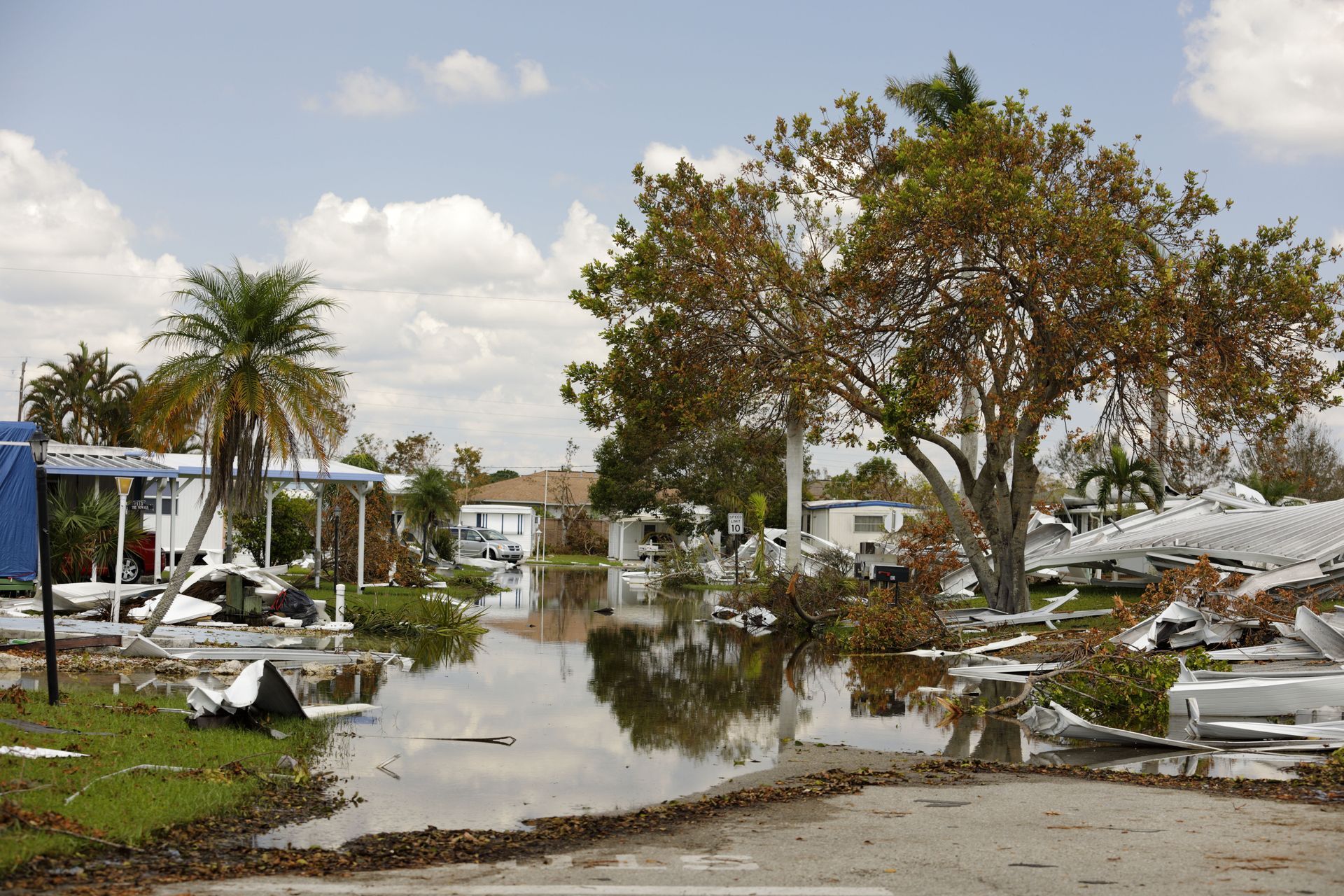
Extreme weather events encompass a variety of natural phenomena that cause catastrophic damage to modern residential property and regional infrastructure. In coastal areas prone to hurricanes, high-pitched winds and massive storm surges can devastate entire communities within hours, leaving behind a long trail of destruction. Similarly, intense wildfires, often fueled by dry seasonal conditions and high temperatures, can rapidly consume suburban homes and surrounding forests alike.
Inland flooding remains one of the most common and destructive of these events, affecting both river valleys and coastal developments. Each unique climate event poses specific structural challenges for property owners attempting to mitigate immediate property damage, clear hazardous debris, and recover financially.
The frequency and intensity of extreme weather events continue to rise globally, largely due to the accelerating effects of long-term climate change. According to Climate.gov, since 1980, the U.S. has experienced 403 weather and climate disasters with individual damages of $1 billion or more, totaling over $2.915 trillion in cumulative costs.
Rising global temperatures directly contribute to much more intense seasonal storms, prolonged agricultural droughts, and highly unpredictable local weather patterns. As oceans heat up, tropical hurricanes gather more thermodynamic strength, leading to increased physical destruction when they finally make landfall.
Homeowners face escalating financial risks and need to be more prepared than ever to handle the economic impact of these massive events. Utilizing accurate insurance claims appraisals allows individuals to establish the true cost of restoration in an era of unprecedented natural disasters.
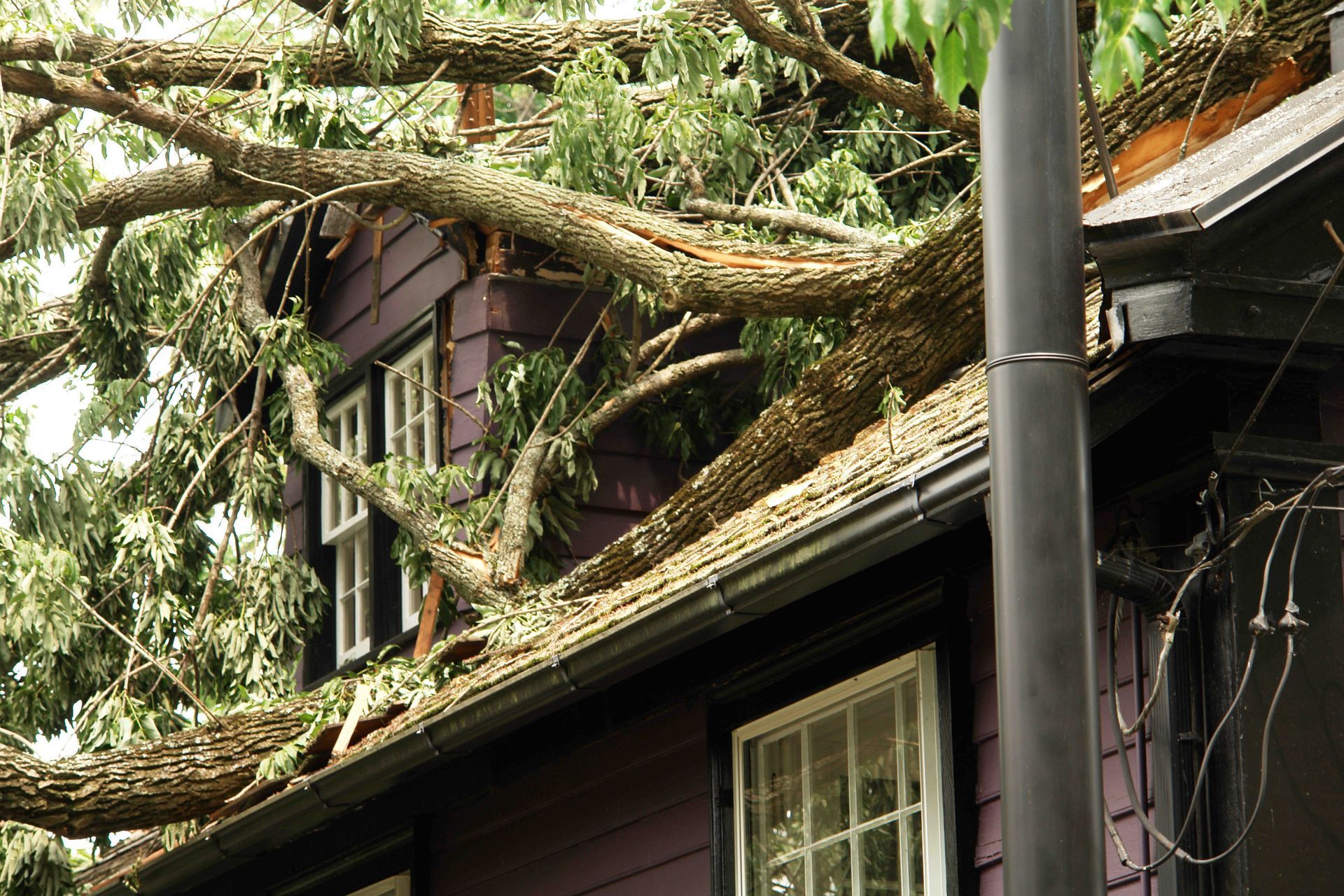
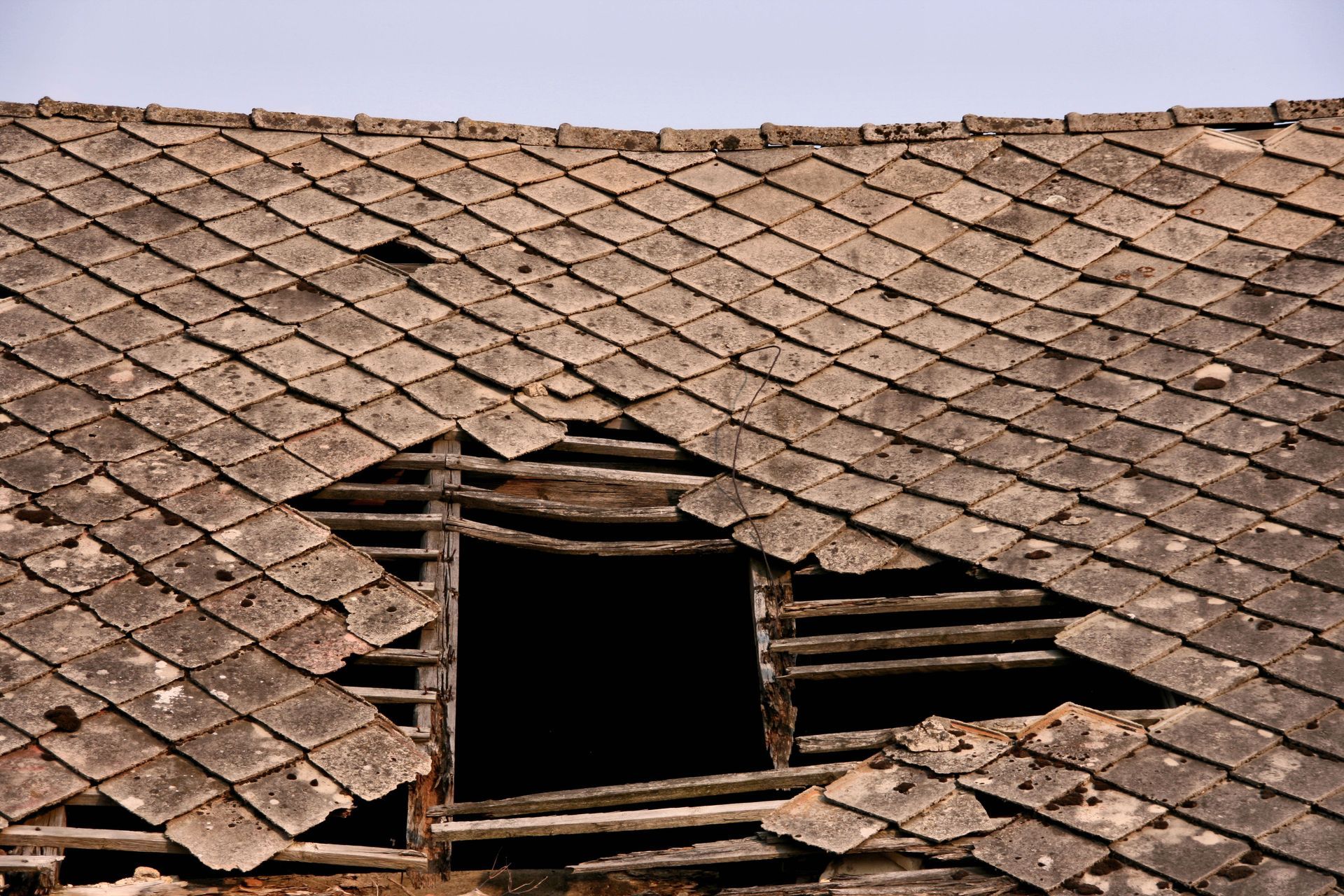
The direct financial impacts of extreme weather can be completely devastating for unprepared property owners. When a hurricane makes landfall, the immediate physical destruction can include severe structural collapse, roof failures, and localized flooding, leading to incredibly costly contractor repairs. Flooding can quickly fill residential basements and ground floors with contaminated water, permanently destroying personal belongings and essential mechanical systems like electrical grids and indoor plumbing.
Wildfires not only destroy individual homes but also warp underlying utility foundations, leading to expensive rebuilding efforts from the ground up. These immediate, high-stakes costs underscore the absolute importance of securing formal insurance claims appraisals to accurately document losses before signing any settlement paperwork.
Economically, entire communities can suffer from reduced property tax revenue, decreased commercial investment, and slower population growth. For individual homeowners, understanding these complex long-term impacts is critical when making informed insurance, renovation, and investment decisions.
The Role of Insurance and Appraisals
Homeowners' insurance serves as a primary financial safeguard against the catastrophic impact of natural disasters. Typically, basic policies cover damages from a specific range of perils, including accidental fires, lightning strikes, and winter storms. However, major exclusions often apply to specific large-scale disasters such as flash floods and earthquakes, which strictly require specialized additional coverage.
Understanding the specific legal terms of a property policy is crucial for homeowners to ensure their assets are properly protected. Having the right insurance framework in place can mean the ultimate difference between seamless financial recovery and permanent economic devastation after a crisis.
Homeowners must also remain intensely aware of the hidden limitations and structural exclusions written into their standard insurance policies. For example, many traditional policies do not cover extensive flood damage, which is a significant daily risk in many coastal regions, necessitating separate federal flood insurance. Exclusions for toxic mold growth, sewer backups, and tectonic earthquakes are incredibly common, making it essential for homeowners to carefully review their policy paperwork annually.
Coverage limits can also artificially cap the maximum amount reimbursed, potentially leaving homeowners with thousands of dollars in out-of-pocket expenses. Understanding these structural limitations allows individuals to pursue independent insurance claims appraisals to challenge unfair policy caps.
Adequate property coverage is absolutely critical for homeowners who want to fully rebuild their lives following a sudden natural disaster. Ensuring proper, up-to-date valuation of the physical property and interior possessions can completely prevent unwanted surprises during a loss scenario. Insurance policies should be regularly reviewed, audited, and updated to reflect changing local market values or newly acquired household assets.
Adequate coverage not only provides invaluable daily peace of mind but also facilitates a much smoother, faster recovery process following a disaster. Homeowners who invest time in understanding their insurance policies are naturally better positioned to manage the financial impacts of extreme weather through professional insurance claims appraisals.
The Appraisal Process and Challenges
Insurance claim appraisals are a critical component in the formal aftermath of significant property damage. A formal appraisal involves a highly detailed, line-by-line physical evaluation of structural damages to determine the exact, fair-market compensation owed to a policyholder. These technical assessments are performed by highly qualified, independent professionals who objectively document and analyze the true extent of the structural destruction.
By providing an accurate, legally binding valuation, professional insurance claims appraisals help ensure that homeowners receive corporate settlements that reflect their actual financial losses rather than a minimized insurance estimate. This independent process is essential for achieving a fair resolution when claims are heavily disputed.
Before initiating the formal appraisal process, homeowners should engage in thorough preparation to ensure a smooth, accurate structural assessment. It begins with documenting all physical damages comprehensively, using detailed high-resolution photos, videos, and written accounts of the incident. Gathering initial contractor repair estimates, historical receipts, and any previous property valuations can also provide valuable context for the independent appraiser.
Homeowners should also thoroughly review their existing insurance policy to understand specific coverage limits and any existing stipulations regarding dispute resolutions. By preparing effectively, property owners can facilitate a much more efficient process, helping the appraiser deliver a precise evaluation.
Future Outlook and Conclusion
Emerging digital technologies are rapidly reshaping the modern landscape of property valuations, offering new tools for increased structural accuracy. High-definition drones and satellite imagery are now frequently used to safely assess roof and structural damage in hazardous areas. Advanced software programs and artificial intelligence models enable much faster data analysis, providing precise and consistent market valuations.
These technical innovations promise to streamline the entire process, reducing administrative costs and expediting payout settlements for homeowners everywhere. As technology continues to evolve, the independent appraisal industry will become even more robust and reliable.
The rising financial stakes of extreme weather events underscore the vital role of independent insurance claims appraisals for modern property owners. By ensuring fair, unbiased compensation and facilitating clear communication with corporate providers, an independent appraisal serves as an indispensable tool for managing the economic impacts of natural disasters.
When you need to dispute an unfair settlement, document extensive weather damage, or secure the professional funding required to completely rebuild your home, place your trust in the dedicated experts at Integrity Property Consultants to safeguard your property value today.