December 26, 2025
Tornadoes rank among the most destructive natural events in the United States, capable of changing lives and landscapes in a matter of minutes. According to NOAA, approximately 1,000 tornadoes are reported across the U.S. each year on average, making widespread property damage an unfortunate reality for many homeowners and businesses. When the winds settle and the debris clears, the recovery process begins with insurance claims that must be handled carefully and accurately. This is where insurance appraisers play a vital role, stepping in to translate physical destruction into documented, defensible claims that support fair recovery. Their work helps ensure that affected policyholders are not left guessing, disputing, or financially stranded during an already overwhelming time.
Understanding Tornado Damage Across Texas Communities
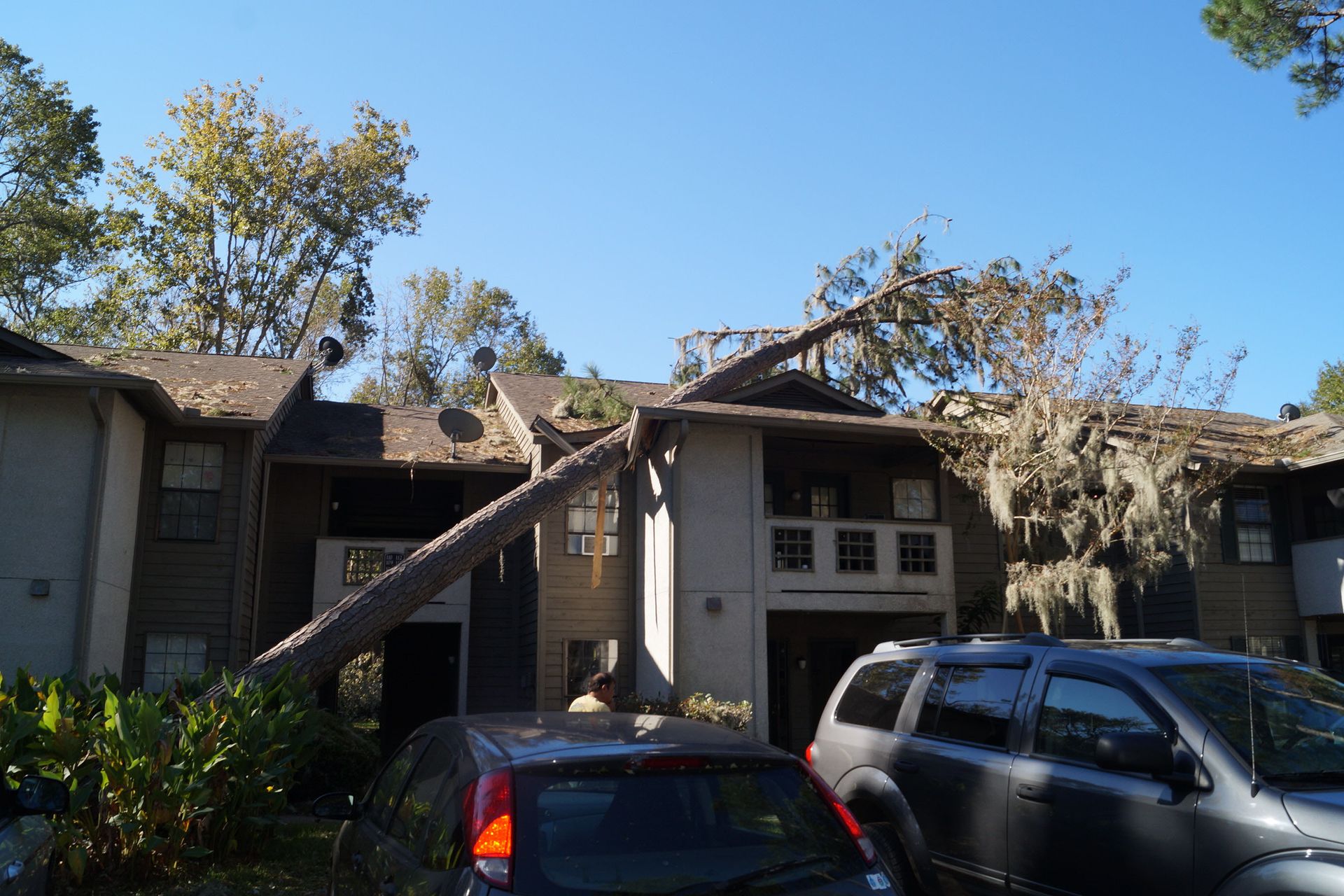
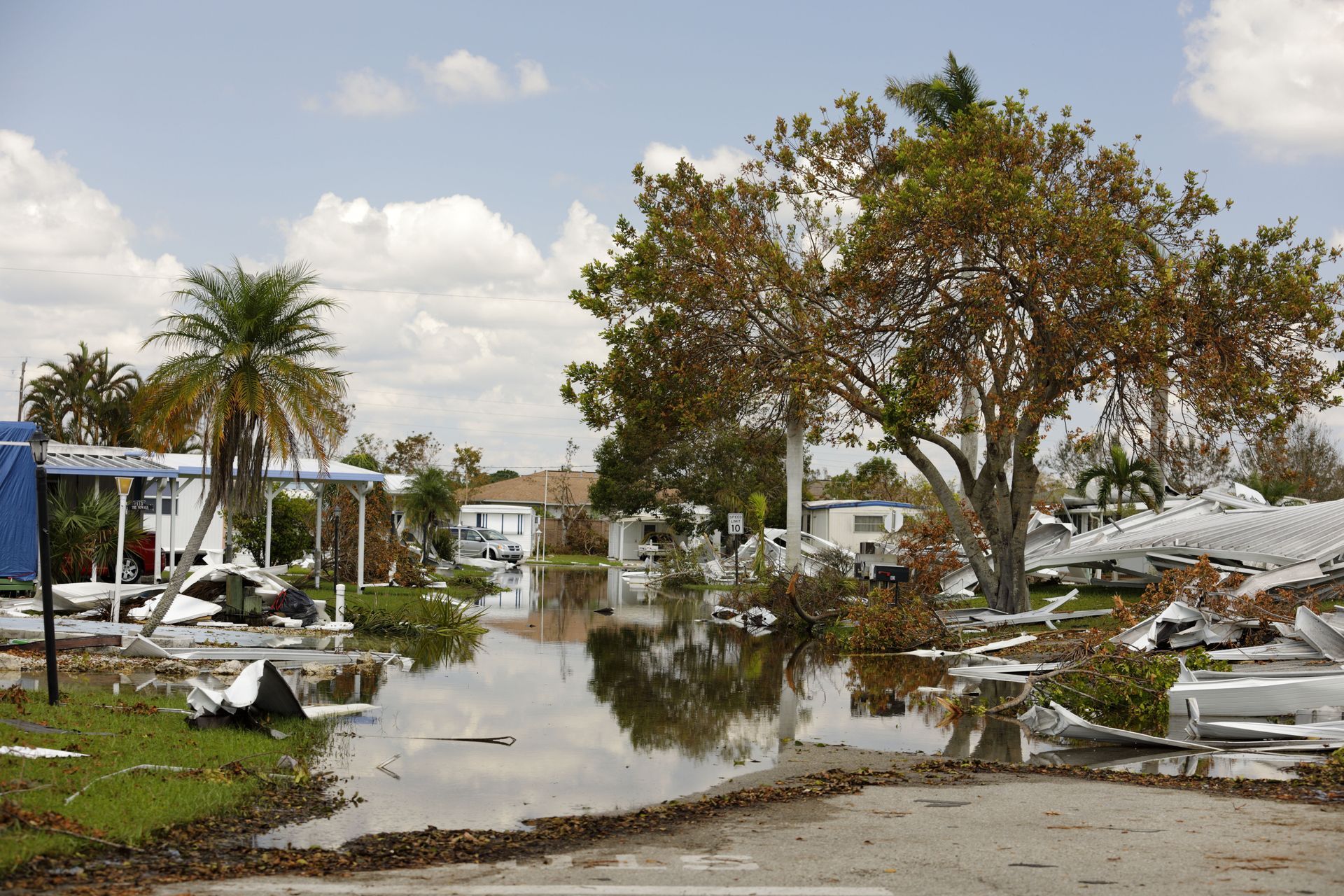
Texas experiences a wide range of severe weather events, and tornadoes can affect both urban centers and rural communities with little warning. Damage often varies dramatically within the same storm path, leaving one property with minor roof loss while another suffers complete structural failure. Wind-driven debris, pressure changes, and secondary water intrusion all contribute to complex damage profiles that are not always visible at first glance. Accurately identifying these issues requires experience, patience, and a deep understanding of how tornado forces interact with different building materials and construction styles common throughout the state. Beyond the physical destruction, tornado damage often disrupts entire communities. Homes, commercial buildings, schools, and infrastructure may all be impacted simultaneously, creating a surge in insurance claims. In these scenarios, consistency and objectivity in evaluations become critical to maintaining fairness across claims and preventing delays that slow community-wide recovery efforts.
Recognizing the Emotional and Financial Toll on Policyholders
For property owners, the aftermath of a tornado is more than a repair project—it is a deeply personal loss. Families may be displaced, businesses may be forced to close temporarily or permanently, and treasured possessions can be destroyed beyond replacement. Financial stress compounds emotional strain when policyholders are unsure whether their insurance coverage will fully address the scope of their losses. Clear, well-supported appraisals help reduce uncertainty and provide a realistic picture of what recovery will entail. When claim values fall short due to overlooked damage or inconsistent assessments, policyholders may face out-of-pocket expenses that create long-term financial hardship. Accurate evaluations protect not only the insurer’s interests but also the policyholder’s ability to rebuild safely and confidently. This balance is essential in restoring stability after disaster strikes.
Navigating the Challenges of Tornado Damage Assessments
Assessing tornado damage is rarely straightforward. Properties may be unsafe to enter, debris may obscure structural failures, and ongoing weather conditions can delay inspections. Subtle damage, such as compromised framing or foundation shifting, may not be immediately apparent but can significantly affect long-term safety and repair costs. These challenges require professionals who know how to look beyond surface-level destruction. In addition, local building codes, policy language, and coverage limits can vary, adding layers of complexity to each claim. Evaluators must interpret damage within the context of policy terms while remaining objective and thorough. This is one of the reasons insurance appraisers with regional experience are so valuable, particularly in a state as large and diverse as Texas.
Understanding the Core Responsibilities of Appraisers
At the heart of the claims process, insurance appraisers are responsible for documenting damage, estimating repair costs, and presenting findings in a clear, unbiased manner. Their assessments form the foundation for claim negotiations and settlements, making accuracy essential. Appraisers conduct detailed site inspections, gather photographic evidence, and apply industry standards to determine reasonable repair or replacement values. Their role often extends beyond simple valuation. Appraisers may clarify discrepancies, explain findings to both insurers and policyholders, and support resolution when disagreements arise. Acting as neutral professionals, they help keep the claims process moving forward during a time when emotions and financial pressures run high.
Applying Expertise, Training, and Professional Judgment
Effective appraisal work requires a blend of technical knowledge, practical experience, and ongoing education. Professionals must understand construction methods, material costs, and regional building practices while staying current with insurance regulations and appraisal standards. Strong communication skills are equally important, as findings must be conveyed clearly to avoid misunderstandings or disputes. With over decades of experience serving Texas communities, seasoned professionals bring perspective that newer evaluators may lack. This depth of knowledge allows them to anticipate common issues in tornado claims and address them proactively, supporting smoother outcomes for all parties involved.
Leveraging Technology for Accurate Damage Evaluation
Modern appraisal work increasingly relies on technology to enhance accuracy and efficiency. Drones, aerial imagery, and digital measurement tools allow for safer inspections of damaged roofs and large properties. Advanced software helps compile data, generate reports, and track claim details in an organized manner. These tools are especially valuable when damage is widespread and time-sensitive. By combining technology with hands-on expertise, insurance appraisers can deliver evaluations that are both detailed and timely. This approach reduces the risk of overlooked damage and supports faster claim resolution, helping policyholders begin repairs sooner.
Managing Disputes and Supporting Fair Claim Outcomes
Disagreements can arise when insurers and policyholders interpret damage differently or when repair estimates vary. In such cases, clear documentation and well-supported appraisals become essential. Appraisers may participate in appraisal panels or serve as umpires to help resolve disputes objectively, keeping the process fair and focused on facts rather than emotions. Litigation support is another critical service in complex claims. When legal proceedings are involved, thorough and defensible appraisals provide credibility and clarity, supporting informed decision-making and equitable outcomes.
Adapting to Legal and Regulatory Considerations
Insurance appraisal work operates within a framework of state regulations, policy requirements, and professional standards. Staying compliant requires continuous attention to licensing rules, ethical guidelines, and documentation practices. In Texas, where severe weather claims are common, regulatory awareness is particularly important to ensure appraisals withstand scrutiny. Ongoing professional development helps evaluators adapt to regulatory changes and evolving industry expectations. This commitment to compliance protects both clients and the integrity of the appraisal process itself.
Embracing Innovation and Future Trends
The future of tornado damage assessment continues to evolve as data analytics, artificial intelligence, and predictive modeling gain traction. These tools have the potential to improve consistency, identify damage patterns, and support more accurate forecasting of repair needs. However, human judgment remains essential, especially in interpreting unique damage scenarios and contextual factors. As the industry evolves, insurance appraisers who embrace innovation while maintaining ethical standards will remain central to effective claims management across complex and high-stakes loss scenarios. Their ability to adapt ensures that appraisal practices keep pace with both technological advancements and increasing weather-related risks, while also reinforcing trust, consistency, and long-term credibility within the insurance ecosystem.
Recovery after a tornado is never simple, but accurate and impartial appraisals make the process more manageable. By providing clear evaluations, supporting dispute resolution, and applying decades of experience, professionals help Texas property owners move forward with confidence. If you need support with insurance claims appraisals, umpire services, or litigation support, Integrity Property Consultants is ready to help. With over 20 years of experience serving the greater state of Texas, our team is committed to delivering thorough, fair assessments that support timely and reliable claim outcomes. Reach out today to take the next step toward recovery with confidence.