December 2, 2025
In recent years, the insurance industry has increasingly emphasized proactive risk management as extreme weather events continue to escalate. Insurance claims appraisal services have become a vital part of this shift, adapting to the changing landscape with more robust methods and comprehensive evaluations. Rising temperatures, shifting climate patterns, and more frequent natural disasters contribute to higher claim volumes and greater financial strain on both insurers and property owners. The ability to accurately assess damages, determine fair payouts, and streamline the appraisal process has become more critical than ever. These services not only help resolve claims more efficiently but also support long-term risk mitigation strategies.
Understanding the Escalating Impact of Climate Disasters
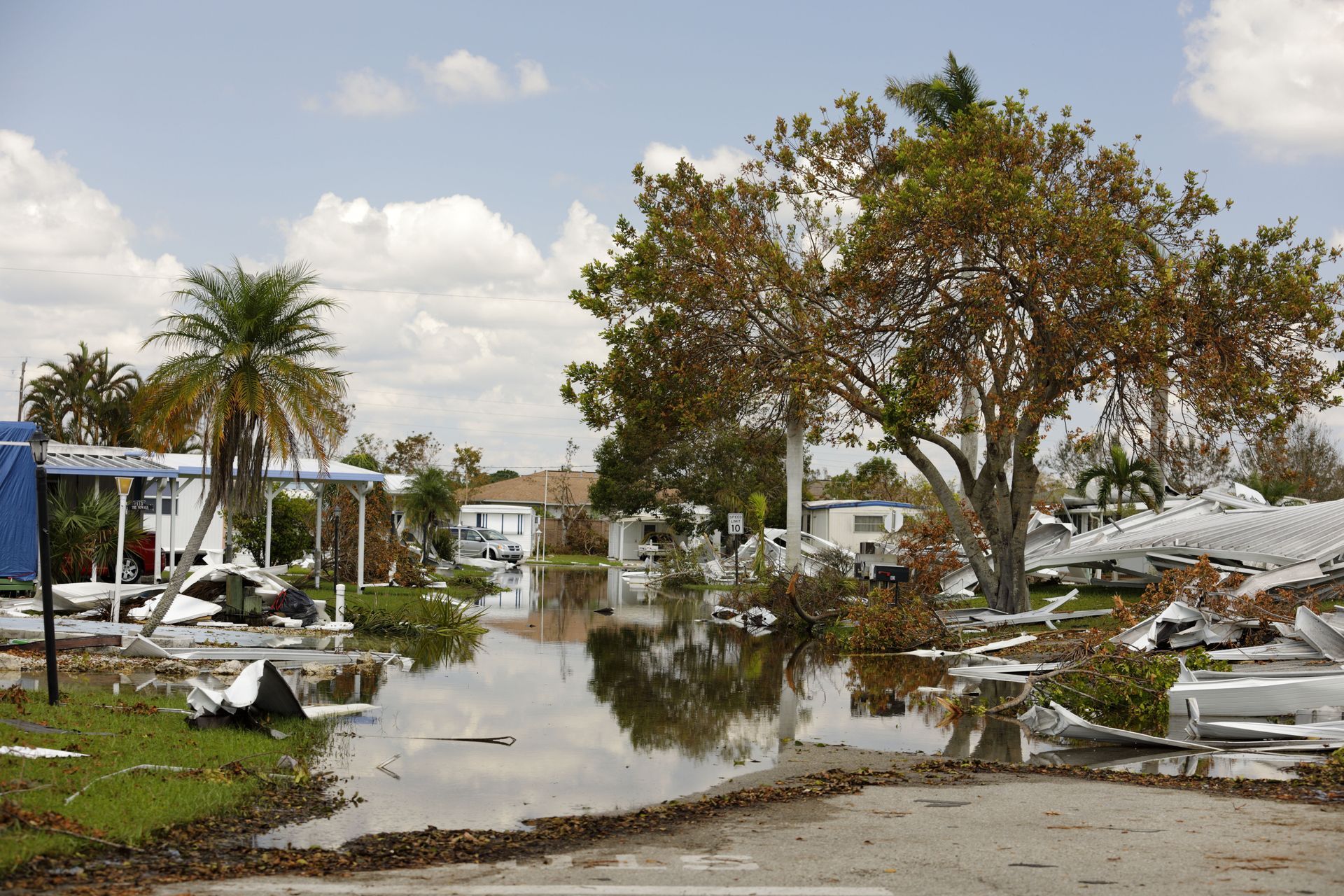
Severe weather continues to place immense pressure on the insurance industry. According to Climate.gov, since 1980, the United States has experienced 403 weather and climate disasters with individual damages of $1 billion or more, totaling over $2.915 trillion in cumulative costs. This surge in catastrophic events highlights the need for more advanced insurance claims appraisal services that can keep pace with rising frequency and complexity. As storms become stronger and natural disasters spread into previously unaffected regions, insurers require accurate, timely assessments to maintain financial stability and ensure policyholders receive fair compensation. Appraisal professionals now regularly navigate challenges such as rapid deployment, shifting weather patterns, and large-scale destruction that demand more detailed documentation and analysis than in years past.
Adapting the Appraisal Processes to New Weather Realities
Insurance claims appraisal services have evolved significantly to accommodate changing weather conditions and the diverse forms of damage they cause. Traditional assessment methods, while still relevant, are now supported by modern tools that enhance accuracy and reduce delays. Appraisers must understand how different weather events—such as hailstorms, hurricanes, floods, and wildfires—affect structures and landscapes in unique ways. This deeper understanding helps ensure that claim evaluations capture the full extent of the damage. As weather events grow in intensity, appraisal professionals are also expected to interpret evolving building standards, local regulations, and repair costs, resulting in more comprehensive assessments that strengthen trust between insurers and policyholders.
Understanding the Increasing Reliance on Technology
Digital tools have rapidly transformed the efficiency and accuracy of insurance claims appraisal services. High-resolution imaging, satellite data, and advanced software allow appraisers to assess properties even when on-site access is limited due to safety hazards or debris. Drones, for example, help capture detailed structural views quickly, reducing the risk to appraisal teams and improving the precision of damage reports. As technology becomes more widely adopted, appraisers can provide well-supported documentation that expedites claim resolution and reduces disputes. The integration of digital tools also supports insurers in building historical data models that help anticipate future weather-related risks and financial exposures.
Improving the Transparency for Policyholders
One notable improvement within modern insurance claims appraisal services is the increased level of transparency offered to policyholders. Clear communication ensures homeowners and business owners understand the scope of the appraisal, what is being evaluated, and how the final determination is reached. When catastrophic events strike, policyholders are often under high stress. Transparent appraisal practices help reduce confusion and support a smoother claims process. By offering detailed explanations, insured individuals gain a clearer view of repair expectations, potential timelines, and the factors influencing coverage decisions. This improved clarity can also reduce disputes and reinforce trust in the appraisal process.
Using a Faster Claim Resolution to Support Recovery
In the aftermath of a major weather event, timely claim resolution becomes essential for supporting community recovery. Insurance claims appraisal services now play a more prominent role in accelerating response times by prioritizing efficiency, accuracy, and consistency. Faster evaluations help homeowners begin repairs sooner, reduce secondary damage, and stabilize living conditions. For businesses, quicker settlements mean reduced downtime and a better chance of reopening successfully. As extreme weather continues disrupting daily life across the country, the ability of appraisal teams to deliver prompt and reliable assessments becomes a crucial factor in the broader recovery process.
Understanding the Role of Data in Strengthening Appraisal Accuracy
Data collection has become a core component of modern insurance claims appraisal services. Insurers increasingly rely on historical weather patterns, material durability studies, and cost analyses to support more accurate assessments. This data-driven approach helps appraisers identify recurring damage trends, determine fair repair valuations, and adjust expectations for future claims. The availability of robust data also assists insurers in creating predictive models that inform risk ratings and policy pricing. By integrating data more deeply into the appraisal process, insurers can make informed decisions that support both financial stability and equitable policyholder treatment.
Building a Long-Term Resilience in Communities
Insurance claims appraisal services contribute significantly to promoting long-term resilience in communities affected by severe weather. Through detailed assessments, appraisers highlight vulnerabilities in structures or landscapes that can inform future improvements. These insights help homeowners, businesses, and municipalities better prepare for recurring weather events. Reinforced structures, improved drainage systems, and updated building materials often stem from findings uncovered during the appraisal process. By supporting more resilient construction practices, appraisal services play an indirect but meaningful role in safeguarding communities from long-term climate-related risks.
Enhancing the Collaboration Between Insurers and Contractors
Another shift in the evolving role of insurance claims appraisal services is the increased collaboration between insurers and contractors. This coordination ensures that repair strategies align with the appraisal findings and meet local building standards. By facilitating communication between appraisers, contractors, and property owners, insurers can reduce misunderstandings and ensure that repairs progress smoothly. This collaboration also supports cost control, quality assurance, and timely project completion. As weather-related damages grow more intricate, these partnerships become essential to maintaining consistency and avoiding delays.
Strengthening a Dispute Resolution Processes
Insurance disputes have become more common due to the rising frequency of large-scale weather events. Insurance claims appraisal services now play an important role in helping resolve these disagreements by providing impartial evaluations supported by detailed evidence. Appraisers work to bridge the gap between insurers and policyholders by offering fair interpretations of damage and repair needs. Their involvement helps avoid conflicts, reduce litigation, and ensure equitable outcomes for all parties involved. As the climate continues to shift, having structured dispute resolution processes becomes crucial for maintaining trust within the insurance ecosystem.
Ensuring a Fair Outcome in an Increasingly Complex Environment
As weather patterns grow more unpredictable, policyholders face greater uncertainty regarding property protection and financial recovery. Insurance claims appraisal services help bring balance to this evolving landscape by ensuring that evaluations remain grounded in fairness, accuracy, and transparency. Through a combination of modern tools, improved methodologies, and enhanced communication practices, appraisers support insurers in delivering reliable outcomes even in challenging conditions. This stability is essential as the insurance industry adapts to the ongoing rise in climate-related risks.
The evolving role of insurance claims appraisal services reflects the broader transformation taking place within the insurance industry as it adapts to more volatile weather conditions. With more frequent climate disasters, rising claim volumes, and the growing need for swift and accurate evaluations, these services have become indispensable. By integrating technology, enhancing communication, and strengthening data-driven approaches, appraisal professionals support efficient claim resolution and help communities recover more effectively. As climate challenges continue to grow, the importance of reliable, transparent appraisal services will only increase, helping insurers and policyholders navigate a more uncertain future with greater confidence. Do you need insurance claim services? Don't wait. Call IPC Estimating today and speak to our team for a consultation.