July 31, 2026
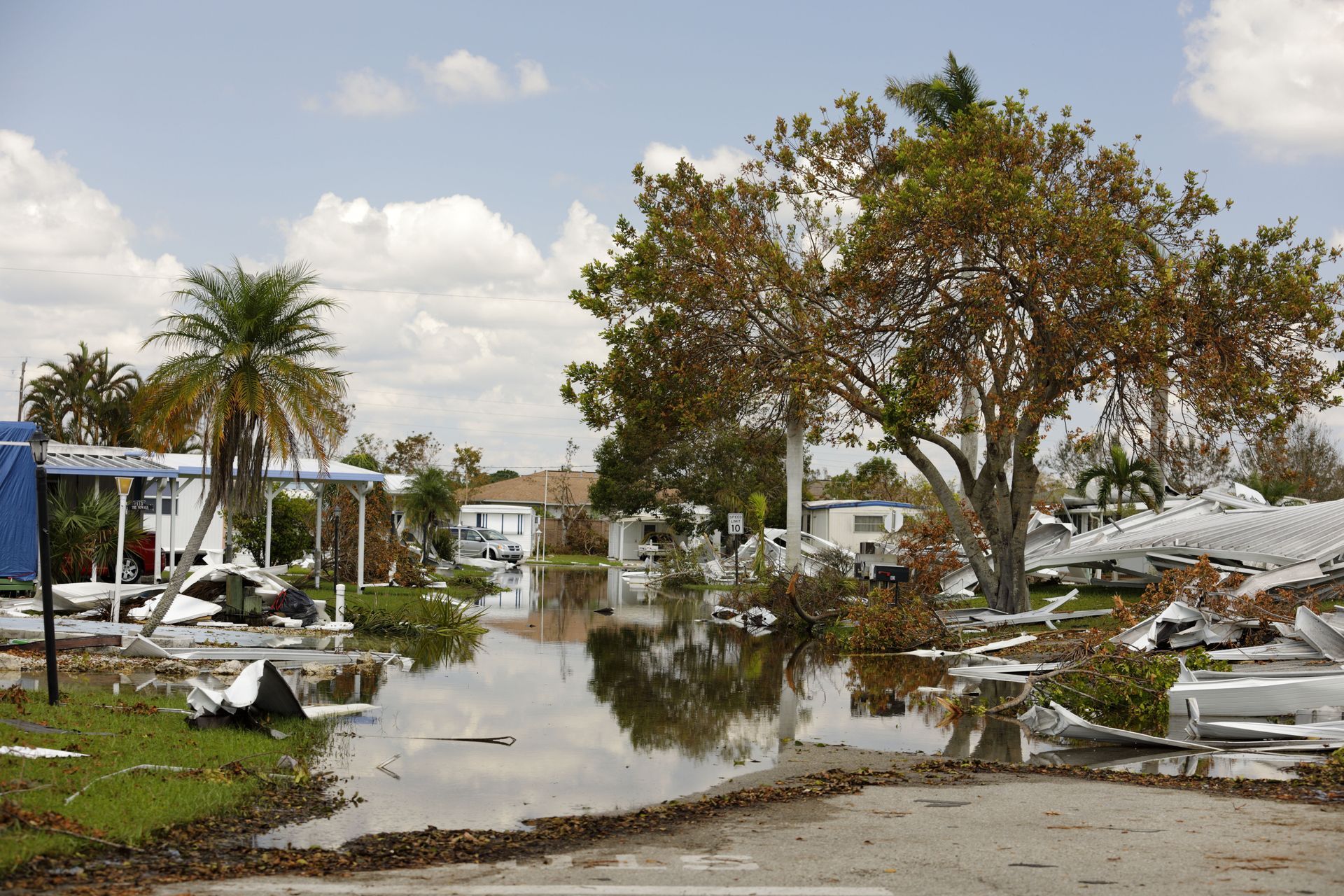
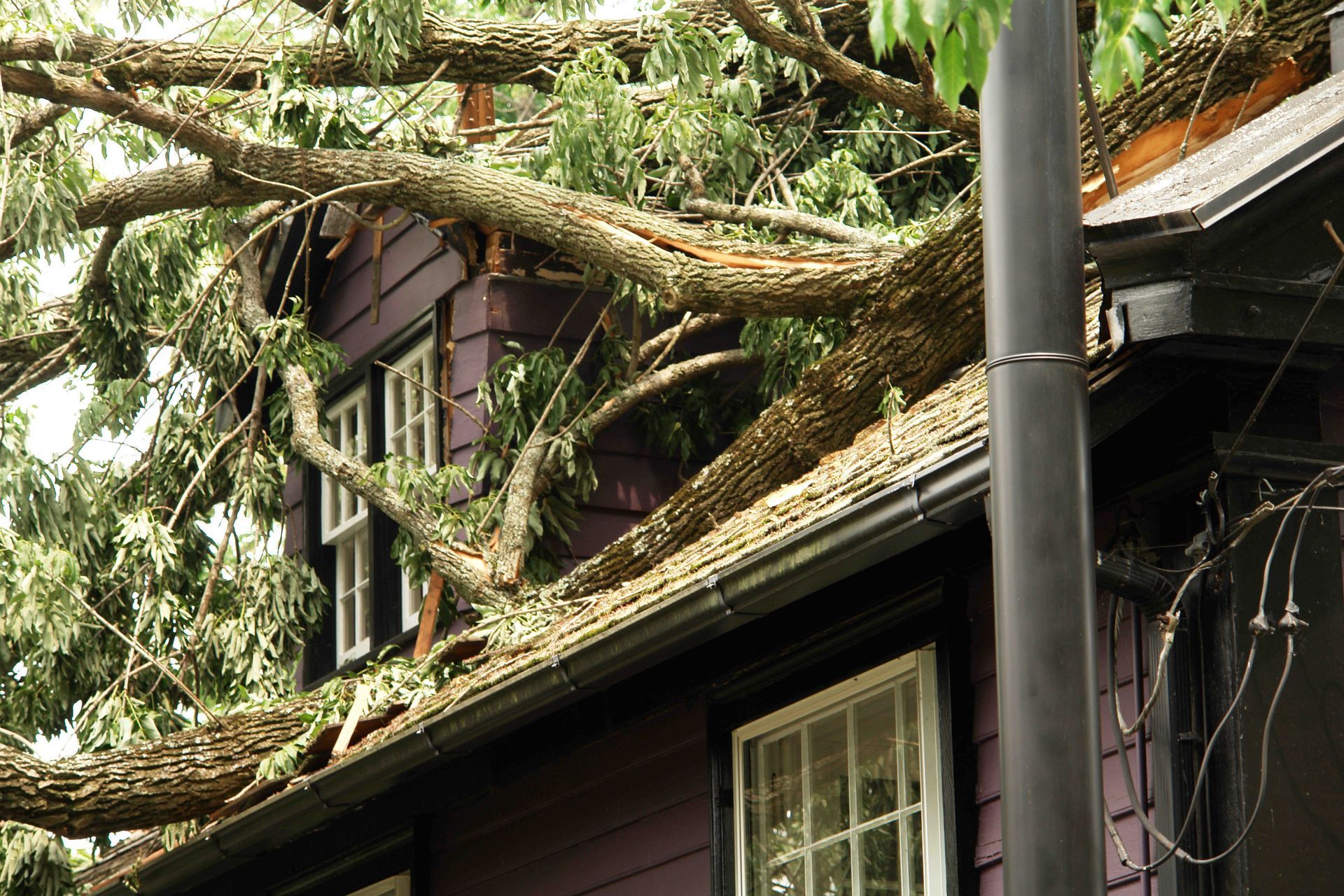
A tornado can change a home in seconds. Roof sections may lift, windows can break, siding may be torn away, and water can enter through new openings. Even when a house remains standing, the full extent of the loss may not be obvious from the yard or a quick walkthrough.
The insurance claim can become difficult when the homeowner and insurer disagree about the amount needed to repair covered damage. An insurance appraisal offers a structured way to address that disagreement without immediately turning to litigation. By focusing on the scope and value of the loss, the process can help establish what it will take to restore the property.
Tornado Damage Is Not Always Obvious
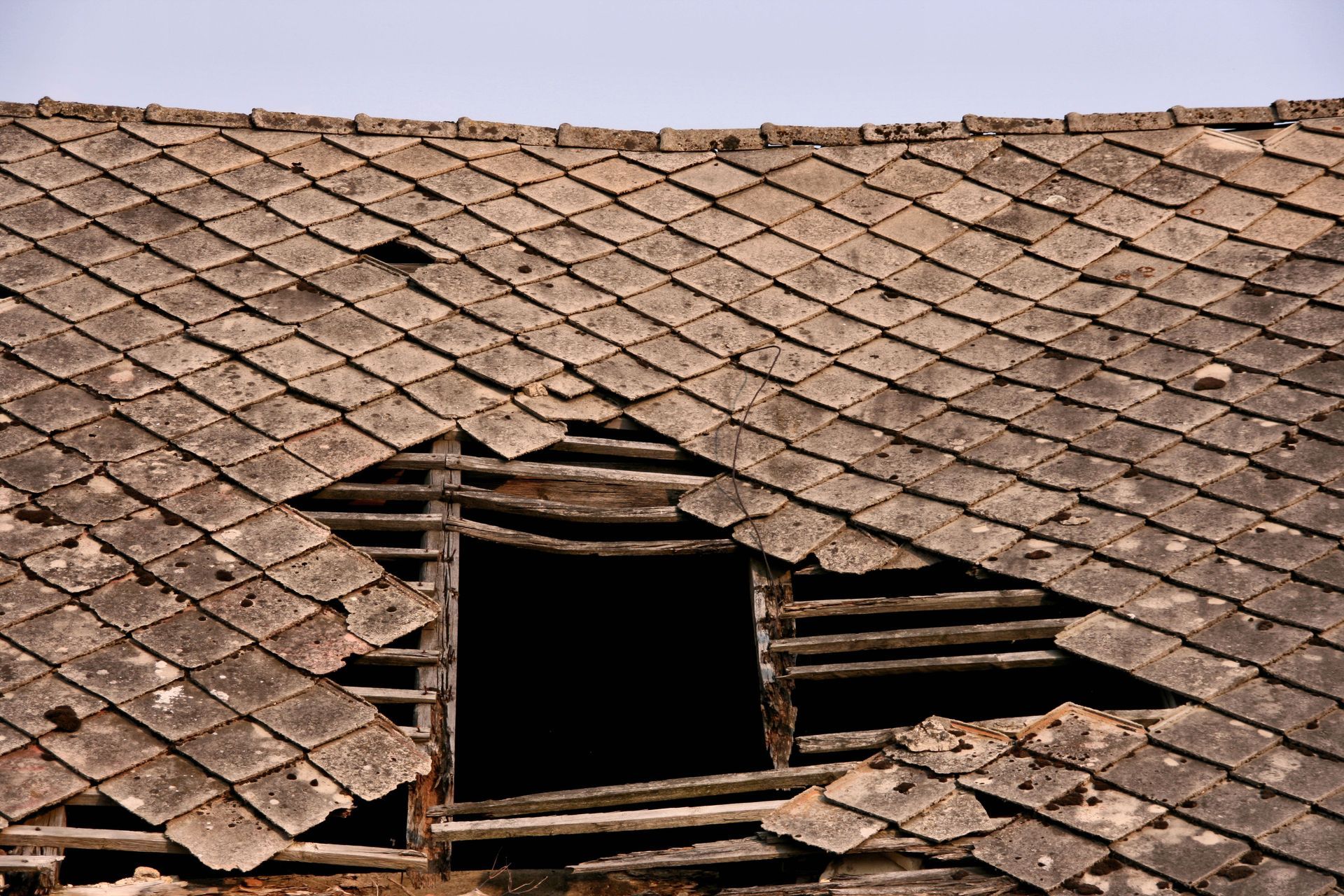
Some tornado damage is immediately visible. Missing shingles, broken glass, collapsed fencing, and fallen debris are difficult to overlook. Other problems may remain concealed beneath roofing materials, behind exterior finishes, or inside areas where wind-driven rain entered the structure.
A home may experience several types of damage at once. Wind can loosen roofing components, damage gutters, and create openings that allow moisture into ceilings and walls. A detailed building inspection helps identify visible conditions and damage that may require closer examination before repair costs can be estimated accurately.
According to NOAA, approximately 1,000 tornadoes are reported across the United States each year on average. Because tornado effects differ from one property to the next, neighborhood damage may not reflect what happened to an individual home.
Why the Initial Estimate May Fall Short
An insurer's estimate may account for damage that was readily visible during an early inspection, but later information can reveal a broader repair scope. Materials may need to be removed before underlying damage becomes apparent, and certain repairs may affect adjoining components not included in the original estimate.
Disagreements can also develop over labor pricing, material costs, quantities, depreciation, or whether a component can be repaired rather than replaced. An insurance appraisal addresses disputes about the amount of covered loss. It does not ordinarily decide whether the policy covers a particular cause of damage, so the policy language and nature of the disagreement remain important.
Understanding the Appraisal Clause
Many property insurance policies contain an appraisal clause that functions as a form of alternative dispute resolution. When the homeowner and insurer reach an impasse over the cost or extent of covered repairs, either party may be permitted to invoke that clause according to the policy's requirements.
The process generally begins with written notice. The homeowner and insurer each select a competent, impartial appraiser. Those appraisers evaluate the property, review available evidence, and attempt to agree on repair scope and pricing. If they cannot agree, a neutral umpire may become involved, and an agreement signed by at least two participants may determine the amount of loss.
Because policy provisions differ, the procedure should follow the applicable policy language. Deadlines, notice requirements, qualifications, and cost responsibilities may vary.
What an Independent Appraiser Examines
A residential appraiser evaluates the physical loss and reasonable cost of repair or replacement. The work may include an on-site inspection, photographs, measurements, review of prior estimates, analysis of construction requirements, and preparation of a detailed estimate.
The appraiser may compare property conditions with the insurer's estimate to document missing line items, incomplete quantities, overlooked areas, and pricing differences. A careful insurance appraisal does not depend on exaggerating damage; its value comes from a fair, supportable assessment grounded in the property's condition.
Hidden or latent damage is particularly important after a tornado. Wind pressure and water intrusion can affect areas that appear intact from the exterior. When available evidence supports underlying damage, the appraisal may account for reasonable access, repair, and restoration costs within the documented scope of loss.
Actual Cash Value and Replacement Cost Value
The amount assigned to a loss may depend on whether the policy applies actual cash value or replacement cost value. Actual cash value generally reflects the cost to repair or replace damaged property after depreciation for age, wear, or obsolescence is deducted. Replacement cost value generally reflects the cost of replacing damaged property with new property of like kind and quality without subtracting depreciation.
Some claims may be paid in stages. A homeowner might initially receive an actual cash value payment and later seek recoverable depreciation after covered work is completed, depending on the policy. An accurate estimate helps clarify the cost basis used in the insurance appraisal and the difference between the immediate payment and full covered repair value.
The Role of the Umpire
The umpire is not automatically involved in every appraisal. The two selected appraisers first attempt to resolve the disputed scope and price through review, documentation, and negotiation. When they cannot agree, the umpire provides an impartial third perspective.
The umpire may review estimates, photographs, measurements, and other supporting material before considering disputed items. The purpose is not to advocate for either party but to help reach a neutral determination. This structure can provide a focused path for resolving an amount-of-loss dispute.
How Appraisal Protects the Repair Plan
An incomplete estimate can affect more than the settlement figure. It can leave homeowners trying to prioritize repairs, postpone necessary work, or cover major differences themselves. When important components are omitted, the repair plan may not reflect the full work required to return the property to its pre-loss condition.
A thorough insurance appraisal can connect documented damage to a detailed scope of work and current repair pricing. That clearer picture helps the homeowner understand what the loss includes and gives both sides a defined basis for discussing the amount. Although appraisal does not guarantee a particular award, it can reduce uncertainty created by incomplete estimates.
The process is not limited to catastrophic losses. A smaller difference can still matter when it affects whether a damaged roof section, window assembly, or interior finish can be repaired properly.
Costs and Responsibilities
Each side typically pays for its own appraiser, while the umpire's cost is commonly divided between the homeowner and insurer. The policy should be reviewed because it controls the specific arrangement. Homeowners should consider the amount in dispute, likely appraisal expenses, and the importance of omitted or undervalued work.
The homeowner's appraiser should remain impartial even though the homeowner selected that professional. The objective is to produce a supported evaluation rather than simply adopting the highest possible number. Neutrality, accurate estimating, and clear documentation strengthen the credibility of the final position.
When Appraisal May Not Resolve the Problem
Appraisal is generally directed at the amount of loss. It may not resolve a dispute about whether the policy covers tornado damage, whether an exclusion applies, or whether the claim was handled in accordance with the law. Those questions can extend beyond the appraiser's role.
The process can also become more difficult when the policy was not reviewed, the disagreement was not clearly defined, or important evidence was not preserved. Starting with a careful inspection, organized documentation, and a detailed estimate can make the insurance appraisal more efficient and focused.
After a tornado, homeowners need more than a quick estimate; they need a reliable understanding of what was damaged, what covered repairs may cost, and whether the insurer's figures reflect the full loss. Integrity Property Consultants provides residential insurance claims appraisals, on-site building inspections, detailed estimates, impartial umpire services, and litigation support for disputed property claims. With these services, we help homeowners present a clear, documented assessment when the amount of a covered tornado loss remains unresolved.