August 24, 2026
The unique challenges and systemic vulnerabilities associated with manufactured housing have made dedicated property evaluation methodologies essential for modern property owners. Various architectural, structural, and environmental factors contribute to this necessity, each requiring an extensive, systematic exploration to fully understand the financial and technical complexities involved in modern risk management. As these dwellings continue to serve as vital housing options for millions of individuals and families across the nation, appreciating their distinct policy requirements becomes imperative for maintaining long term financial security. Properly identifying structural nuances can significantly influence coverage efficacy, claim outcomes, and overall recovery speed following a major catastrophic event or unexpected physical damage.
Navigating the intricacies of policy coverage requires a deep understanding of how non-traditional dwellings react to physical stress, severe weather, and long term material degradation. Selecting a professional insurance appraiser who focuses specifically on non-traditional housing ensures that every structural element is thoroughly documented and accurately valued during complex damage assessments.
Evaluating Historical Factors Influencing Manufactured Housing Risks
Mobile housing has evolved considerably since its origin during the early decades of the twentieth century, transitioning from simple travel trailers into permanent residential dwellings. Initially conceived as light, highly transportable units intended for temporary accommodation, early housing models prioritized immediate mobility and low manufacturing costs over permanent structural durability and storm resistance. Over time, comprehensive national building standards were introduced across the manufacturing sector to significantly improve structural integrity, wind load resistance, and fire safety protocols. Despite these important regulatory advancements, foundational structural vulnerabilities persist in older and newer models alike, requiring specialized knowledge during policy reviews, routine inspections, and physical damage evaluations.
Understanding this extended historical evolution provides essential insight into the prevailing physical risks that affect modern policyholders today. Early manufacturing techniques relied on lightweight wood framing, thin exterior cladding, and simplified roofing systems that differed drastically from conventional site-built residential construction techniques. An experienced insurance appraiser evaluates these historical design choices carefully to determine how structural aging, material fatigue, and legacy construction methods affect present day replacement costs. Recognizing these historic engineering factors establishes a realistic baseline for calculating loss adjustments, preventing severe coverage gaps, and ensuring that property owners receive comprehensive financial evaluations after severe atmospheric weather events occur.
Assessing Structural Features and Construction Assemblies
Factory built residential dwellings differ fundamentally from conventional real estate structures due to their unique factory assembly procedures and transportable steel chassis frames. Rather than resting directly upon permanent poured concrete footings or continuous masonry foundation walls, these homes are typically placed on elevated pier systems and secured with metal ground anchors. This distinct structural configuration offers necessary transportation flexibility but introduces heightened susceptibility to ground movement, soil erosion, high wind uplift, and foundation support misalignment. Consequently, identifying physical damage following a severe storm requires specialized inspection techniques capable of catching subtle subfloor racking, structural steel frame torque, hidden chassis bending, and compromised anchor attachment systems.
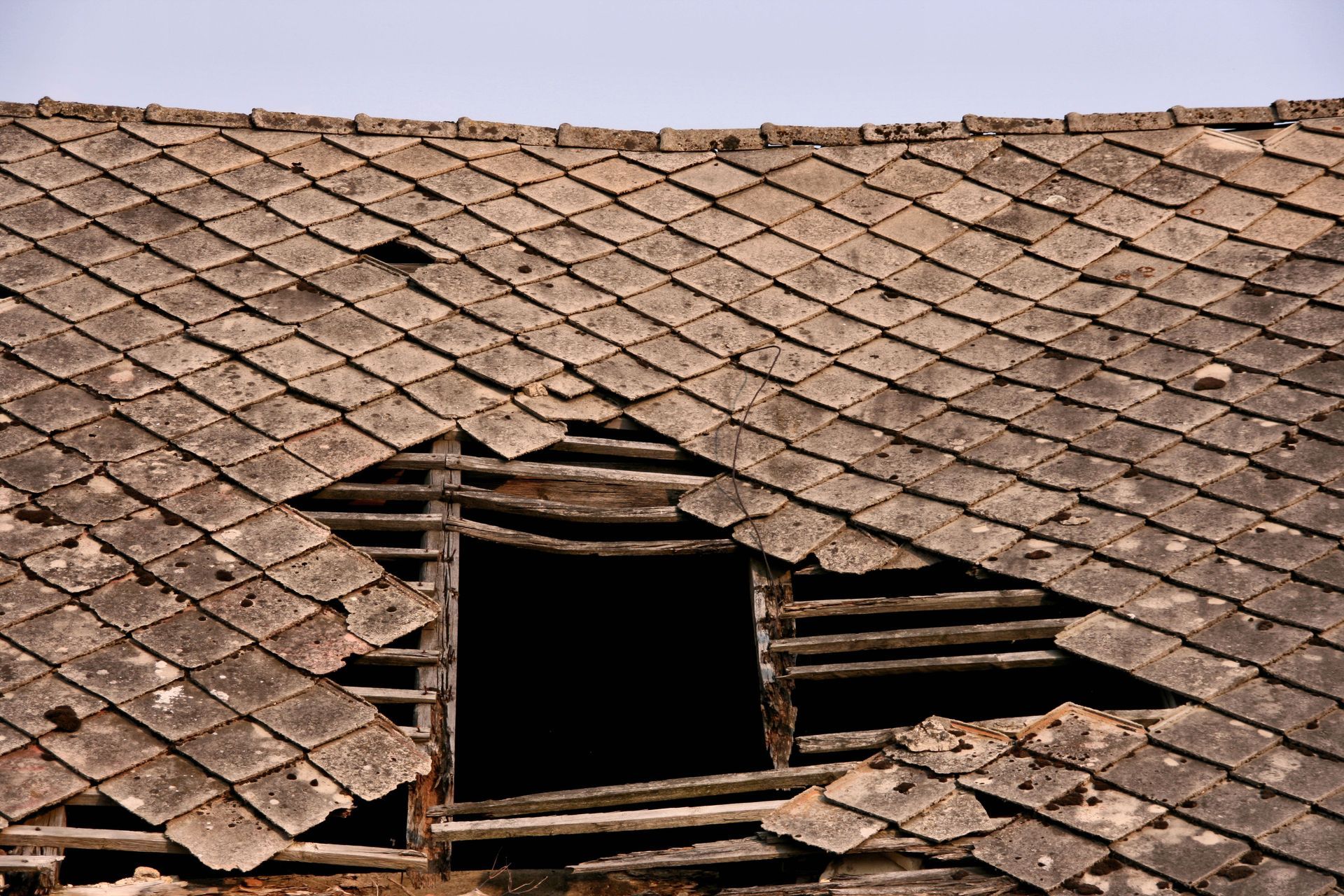
The specialized building materials utilized throughout factory built housing are selected to reduce overall weight during highway transportation, often featuring engineered paneling, lightweight roof trusses, and specialized exterior siding. These unique material components interact differently with moisture intrusion, physical impact forces, and structural stress compared to traditional heavy timber or masonry construction. A qualified insurance appraiser must examine these structural variations closely to differentiate between pre-existing physical wear and sudden catastrophic storm damage. Accurately assessing these unique structural nuances ensures that comprehensive repair estimates accurately reflect real factory specification component costs rather than relying on generic building contractor figures that fail to address specialized assembly requirements.
Analyzing Regional Hazards and Extreme Weather Exposures
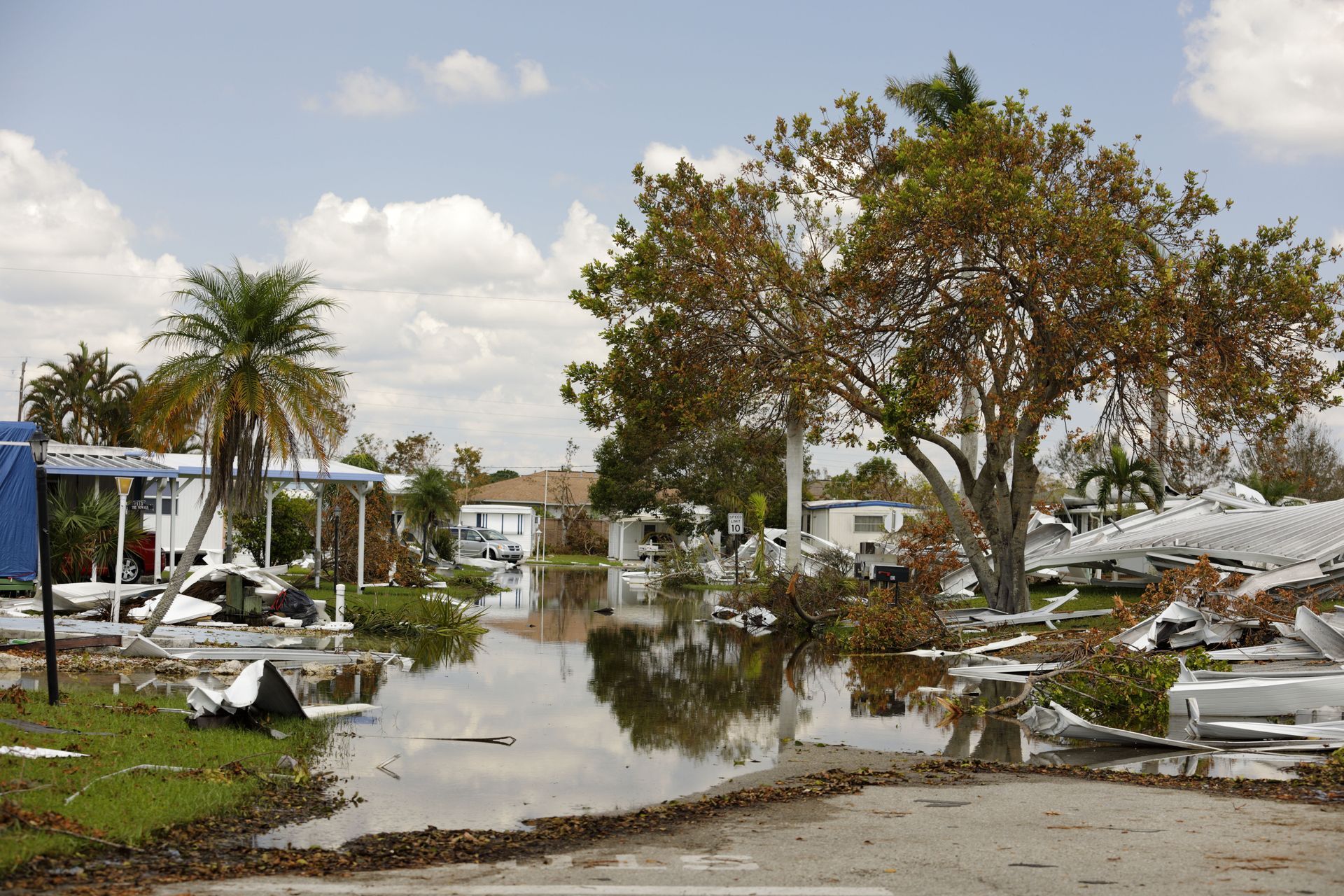
Geographic positioning heavily dictates the probability, nature, and severity of physical losses for factory assembled residential structures across different geographic climates. Homes situated in tornado-prone regions, for instance, face an elevated risk of damage. According to WifiTalents, mobile homes account for approximately 40% of all tornado-related fatalities in the United States. This alarming statistic underscores the importance of recognizing environmental vulnerabilities. High velocity wind events can rapidly detach attached carports, compromise delicate roof membranes, fracture window assemblies, and overturn improperly anchored structural units completely, resulting in catastrophic property losses.
In addition to severe convective windstorms, localized environmental threats such as flash flooding, coastal storm surges, heavy winter snow accumulation, and wildfire exposure present severe hazards to factory built housing installations. Subfloor thermal insulation, belly boards, and underlying wooden joists are particularly vulnerable to standing floodwaters, which can destroy thermal barriers, warp structural framing, and promote widespread internal mold growth within a matter of days. A knowledgeable insurance appraiser accounts for these specific geographic hazards when auditing extensive property damage. Factoring in localized environmental threats ensures that claim documentation fully encompasses both visible exterior destruction and hidden internal contamination within the dwelling envelope.
Comparing Manufactured Dwellings to Traditional Site Built Properties
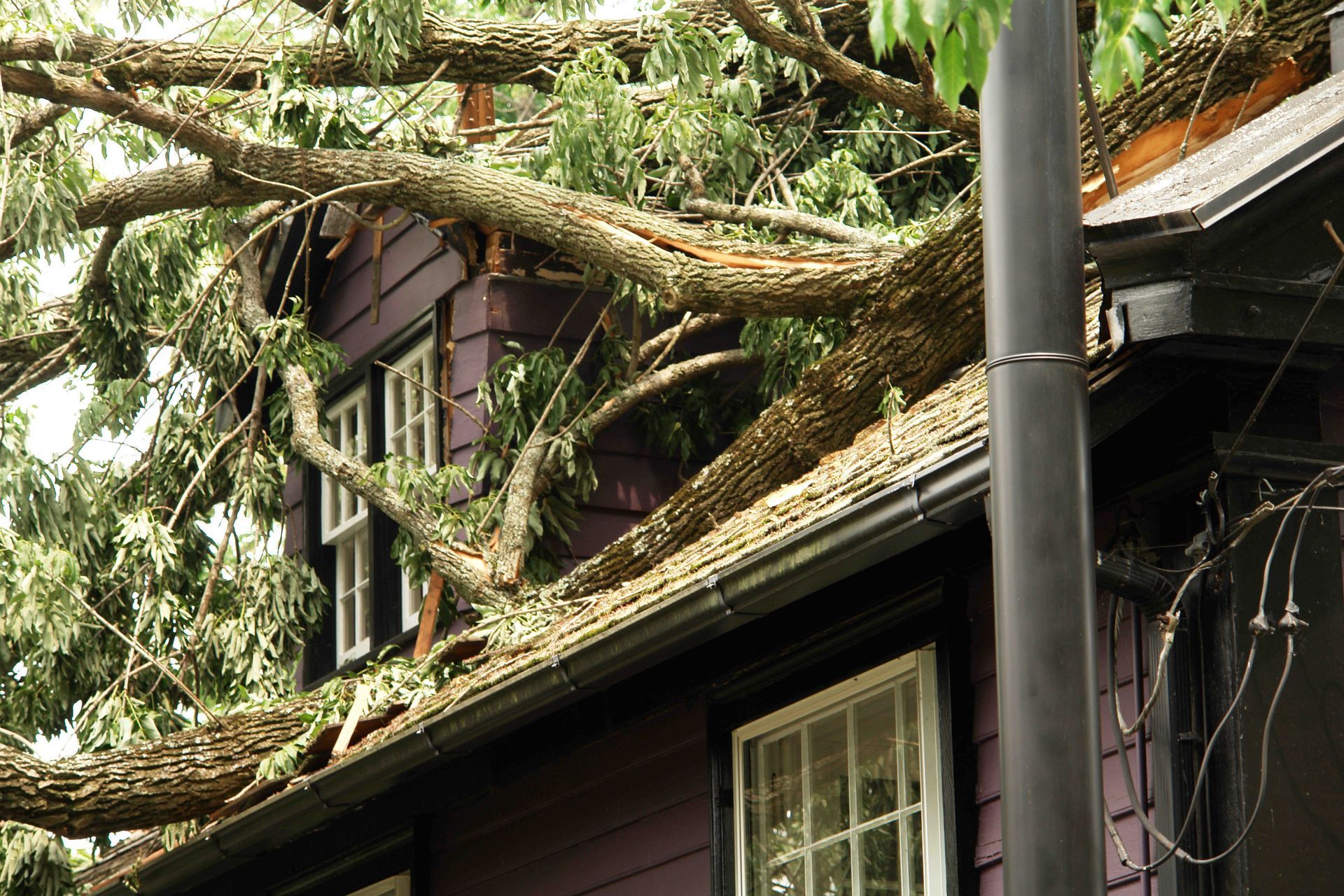
Comparing factory constructed dwellings to traditional site built properties highlights significant variations in physical damage propagation, structural behavior, and repair economics. Traditional residential homes benefit from continuous perimeter foundations, heavy load bearing exterior walls, and standardized municipal building codes that provide predictable structural resistance during extreme weather events. In contrast, factory assembled units experience accelerated damage progression, where a single localized structural failure can quickly compromise the structural alignment and weather resistance of the entire residential unit. Understanding these distinct structural contrasts is essential for conducting fair, balanced, and technically accurate property valuations following severe storm impacts.
These operational and engineering differences directly influence how detailed repair estimates are developed and calculated following an unexpected physical loss. Traditional residential property restoration usually relies on locally sourced building materials, standard carpentry techniques, and standard municipal inspection routines. Manufactured housing restoration, however, frequently requires specialized factory replacement parts, specialized transport equipment, and certified factory technicians. An independent insurance appraiser recognizes these crucial operational distinctions and incorporates specialized labor rates, proprietary component costs, and certified factory installation procedures into the final claim valuation. Without this specialized perspective, generic property estimation tools often fail to cover the true financial cost of structural restoration.
Navigating Financial Valuation and Policy Loss Recovery
Determining the precise financial value of a damaged factory built structure involves evaluating complex actual cash value calculations alongside comprehensive replacement cost policy provisions. Because non-traditional residential properties can depreciate at different rates compared to traditional real estate, calculating an accurate financial loss estimate requires detailed market analysis, localized cost index reviews, and specialized depreciation schedules. Misinterpreting these complex financial calculations can leave policyholders with insufficient capital to repair or replace their homes following a major disaster. Professional guidance ensures that all depreciation factors are applied correctly according to specific policy terms and prevailing economic conditions.
Comprehensive financial protection depends heavily on detailed, objective documentation gathered immediately following a major physical loss event. Specialized valuation professionals evaluate every component, from tie-down anchor structural integrity to factory installed utility connections, to build a complete and indisputable record of physical damage. Utilizing a specialized insurance appraiser helps ensure that the final claim figure reflects actual current market replacement costs rather than arbitrary policy guidelines or incomplete initial inspections. Thorough, professional documentation protects the long term financial stability of property owners during an otherwise stressful recovery process, ensuring that all covered structural losses are fully acknowledged and compensated.
When facing complex physical damage claims or valuation disputes, working with dedicated industry professionals makes all the difference in achieving a complete and equitable financial recovery. Partnering with a dedicated
insurance appraiser through Integrity Property Consultants ensures that your property receives the detailed, objective evaluation it truly deserves under your policy coverage. Contact us today to secure comprehensive property valuation services tailored specifically to your unique housing needs, protect your structural investment, and safeguard your long term financial future.