December 2, 2025
The frequency and severity of weather and climate disasters have increased significantly in recent years, impacting various industries, especially the insurance sector. According to Climate.gov, in 2024, there were 27 distinct weather and climate disasters, each causing at least $1 billion in damages. This rise in catastrophic events has heightened the demand for thorough and efficient insurance claims appraisal processes to help policyholders recover their losses. As the volume of claims grows, insurers and appraisers face greater pressure to manage and resolve claims swiftly while maintaining accuracy. Recognizing this broader context is essential to understanding the challenges within the insurance claims appraisal process.
These increasing challenges require the insurance industry to continuously improve how claims are evaluated and settled. Proper appraisal ensures policyholders receive fair compensation while enabling insurers to manage risk effectively. The evolving landscape underscores the critical role of appraisals in disaster recovery efforts across the country. Ongoing adaptation to new risks is essential for appraisal professionals to meet these demands successfully.
Explaining the Role of Insurance Claims Appraisals
Insurance claims appraisal serves as the foundation for determining the extent of property damage and the corresponding financial compensation for policyholders. Professional appraisers perform detailed inspections and assessments to evaluate damage impartially and accurately. Their evaluations support insurers and policyholders by providing a reliable estimate of repair or replacement costs. During periods of high claim volume, such as after severe weather events, appraisers must balance thoroughness with timely processing to ensure claims are resolved efficiently. By offering unbiased and detailed reports, appraisers help facilitate fair settlements and reduce disputes between insurers and policyholders. Their expertise bridges the technical aspects of damage evaluation with the financial considerations involved in claim resolution.
Identifying Types of Weather Events Affecting Claims Appraisals
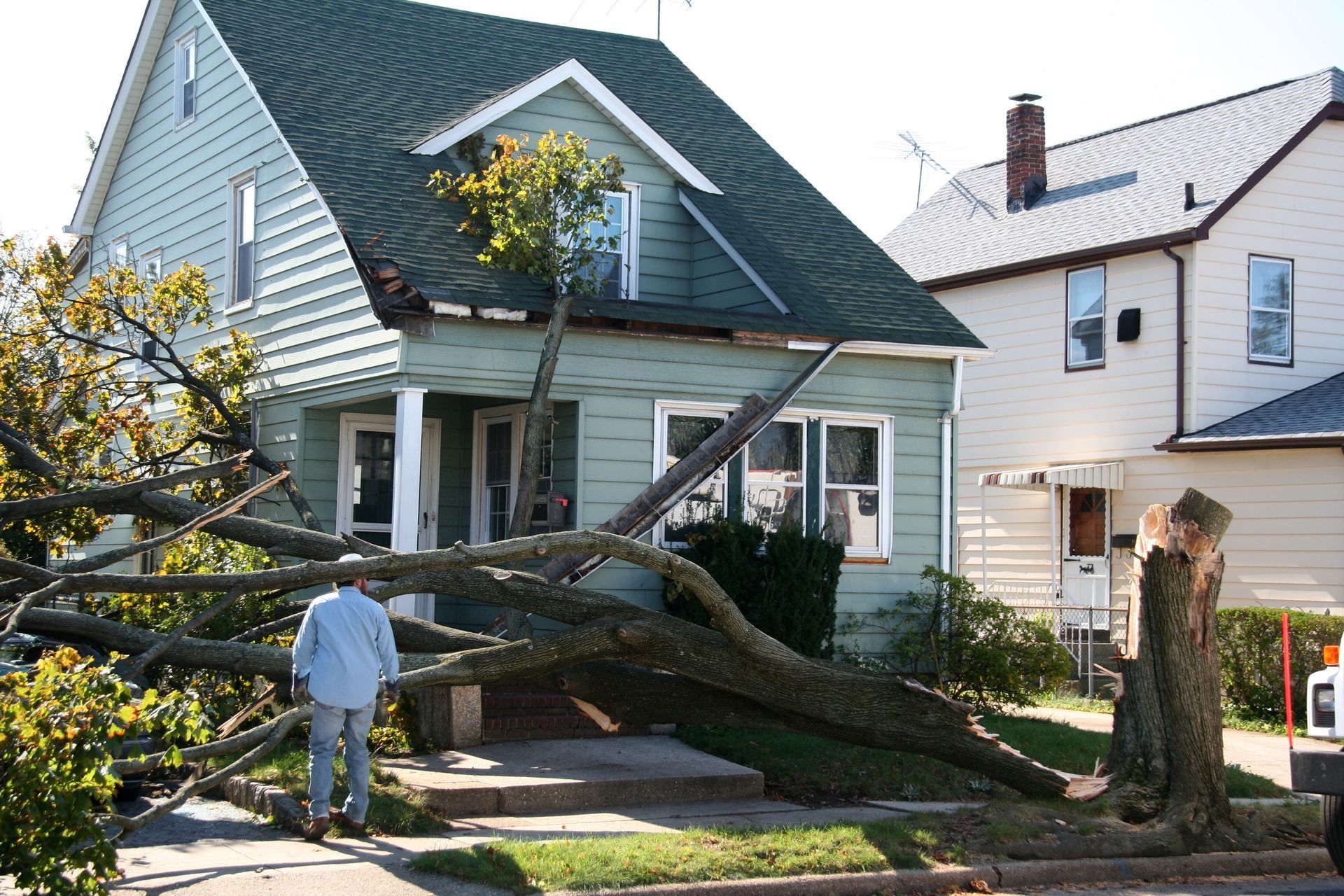
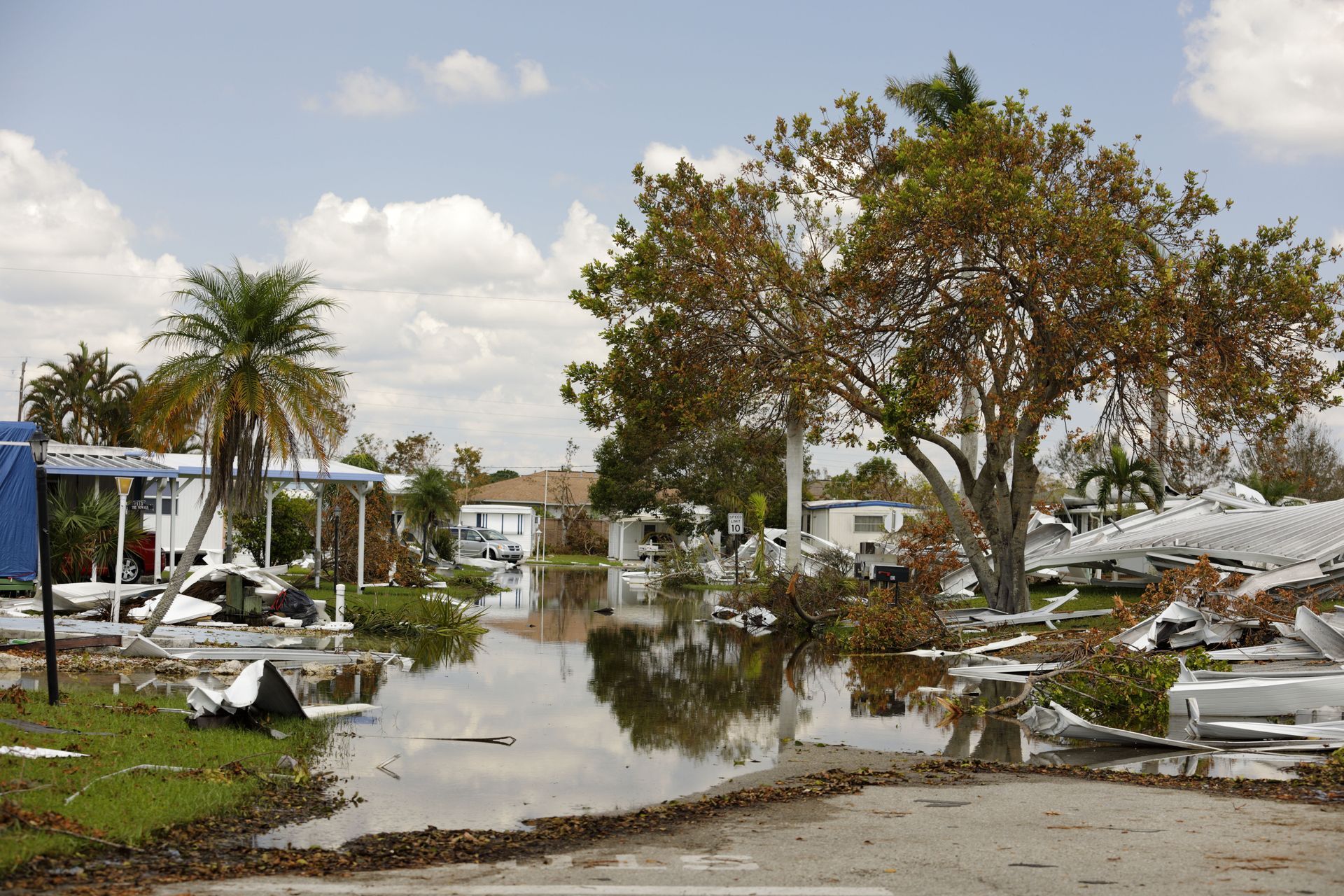
The nature of the weather event significantly influences how claims appraisals are conducted. Hurricanes, floods, wildfires, tornadoes, and severe storms each result in different types of property damage that require tailored assessment approaches. For example, flood damage often involves moisture penetration and hidden structural issues that are not immediately visible, making thorough inspections critical. Wind damage from storms may affect roofing, siding, and windows, while wildfire damage may require evaluation of charring and smoke impact on structures. Understanding these differences allows appraisers to apply appropriate techniques and expertise to accurately assess damages, which is essential for delivering fair and comprehensive insurance claims appraisals.
Highlighting Economic Pressures on Insurance Companies
Significant weather events place economic stress on insurance companies due to the volume and cost of claims filed. When multiple disasters occur within a short period, insurers face increased claims payouts alongside rising operational expenses, including reinsurance costs. These financial pressures can lead to adjustments in insurance premiums and policy terms to maintain business sustainability. To manage this, insurers rely heavily on precise and efficient appraisal processes to evaluate claims and control costs. Effective insurance claims appraisal supports insurers by helping to allocate resources appropriately and reduce potential fraud or inflated claims, ultimately contributing to market stability and continued consumer protection.
Describing Challenges Faced by Policyholders During Claims
Policyholders often encounter challenges when filing and processing insurance claims after a disaster. Complex policy language, coverage limits, deductibles, and exclusions can create confusion. Additionally, lengthy claim processing times and differing opinions on damage severity may lead to frustration and delays in compensation. Clear communication and transparent appraisal procedures are vital in helping policyholders navigate these difficulties. Insurance professionals, including appraisers, play a key role in supporting policyholders through the claims process by providing clear explanations and timely updates. This collaboration helps reduce stress and fosters a more positive claims experience during difficult times.
Detailing the Expertise and Responsibilities of Insurance Appraisers
Insurance appraisers bring professional knowledge in construction, damage assessment, and cost estimation to their role. They evaluate the extent of property damage through detailed inspections, often documenting conditions with photographs and written reports. Appraisers must understand various building materials and construction practices to provide accurate valuations. Their work supports insurance adjusters by offering objective assessments that serve as the basis for claim settlements. During periods of increased claims activity, such as after natural disasters, appraisers must operate efficiently while maintaining high standards of accuracy. Their ability to communicate findings clearly to both insurers and policyholders is essential for resolving claims satisfactorily.
Clarifying Policy Coverage and Common Exclusions
Insurance policies define the scope of coverage and often include specific exclusions that impact claims. Common exclusions may involve damages from floods, earthquakes, or maintenance-related issues, which typically require separate endorsements or specific policies. Understanding these provisions is important when conducting appraisals, as they influence which damages qualify for compensation. Appraisers work in conjunction with insurance adjusters and policy language to ensure that evaluations align with the terms of coverage. Clear documentation of damages and careful consideration of policy limits and exclusions help minimize disputes and support fair claim resolutions. Policyholders are encouraged to review their coverage carefully to understand what is and isn’t included. Additionally, staying informed about possible endorsements or riders can help avoid unexpected gaps in protection.
Promoting Clear and Compassionate Communication With Policyholders
Effective communication throughout the claims appraisal process is essential for maintaining transparency and helping policyholders feel supported. Appraisers and insurance professionals should provide clear explanations about the appraisal process, timelines, and findings. Demonstrating empathy and cultural sensitivity during interactions can significantly improve the overall experience for individuals affected by disasters. Utilizing multiple communication channels—including phone, email, and secure digital platforms—helps keep all parties informed and engaged. Open and compassionate communication fosters trust and collaboration, contributing to more timely and satisfactory claim resolutions. Consistent communication helps prevent misunderstandings and reduces frustration during what can be a stressful time. Furthermore, well-informed policyholders are better equipped to make decisions about repairs and claims.
Advocating Proactive Preparation for Future Insurance Claims Challenges
The evolving nature of weather patterns and related risks underscores the importance of proactive preparation within the insurance industry. Insurers and appraisers must continually update risk assessment models to reflect emerging trends and invest in strategies that promote resilience. Collaboration between insurance professionals, government agencies, and industry organizations supports improved readiness and response to future claims demands. Educating policyholders about risk mitigation measures, such as property maintenance and disaster preparedness, can reduce damage severity and claims frequency. These efforts collectively enhance the insurance sector’s capacity to manage claims efficiently and support communities in recovery. Developing contingency plans and training for appraisal teams also contributes to quicker and more effective claim processing. Additionally, raising public awareness about insurance coverage options helps individuals prepare financially for potential disasters.
Encouraging Expert Support for Insurance Claims Appraisals
Insurance claims appraisal can be complex and require technical expertise to navigate effectively. Partnering with experienced professionals who understand building construction, damage assessment, and cost estimating can help ensure accurate and fair evaluations. Such expert support facilitates smoother claim resolutions and can assist in resolving disputes. For assistance with insurance claims, appraisal challenges, and to ensure thorough and reliable assessments, consider consulting a qualified firm like Integrity Property Consultants. Our knowledgeable team provides comprehensive services designed to support policyholders and insurers through the appraisal process with integrity and precision. Expert consultants also stay up to date on the latest industry standards and best practices to provide informed advice. Engaging professional support can minimize delays and help avoid costly errors during the claims process.